
Mixing Example
Water, purified water, oils, additives, surfactants, etc.
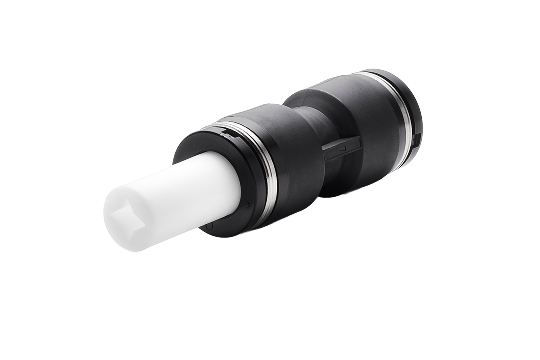
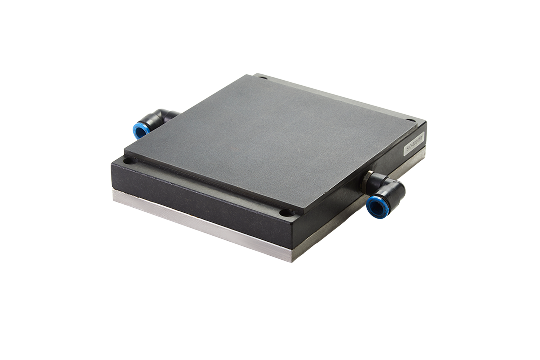
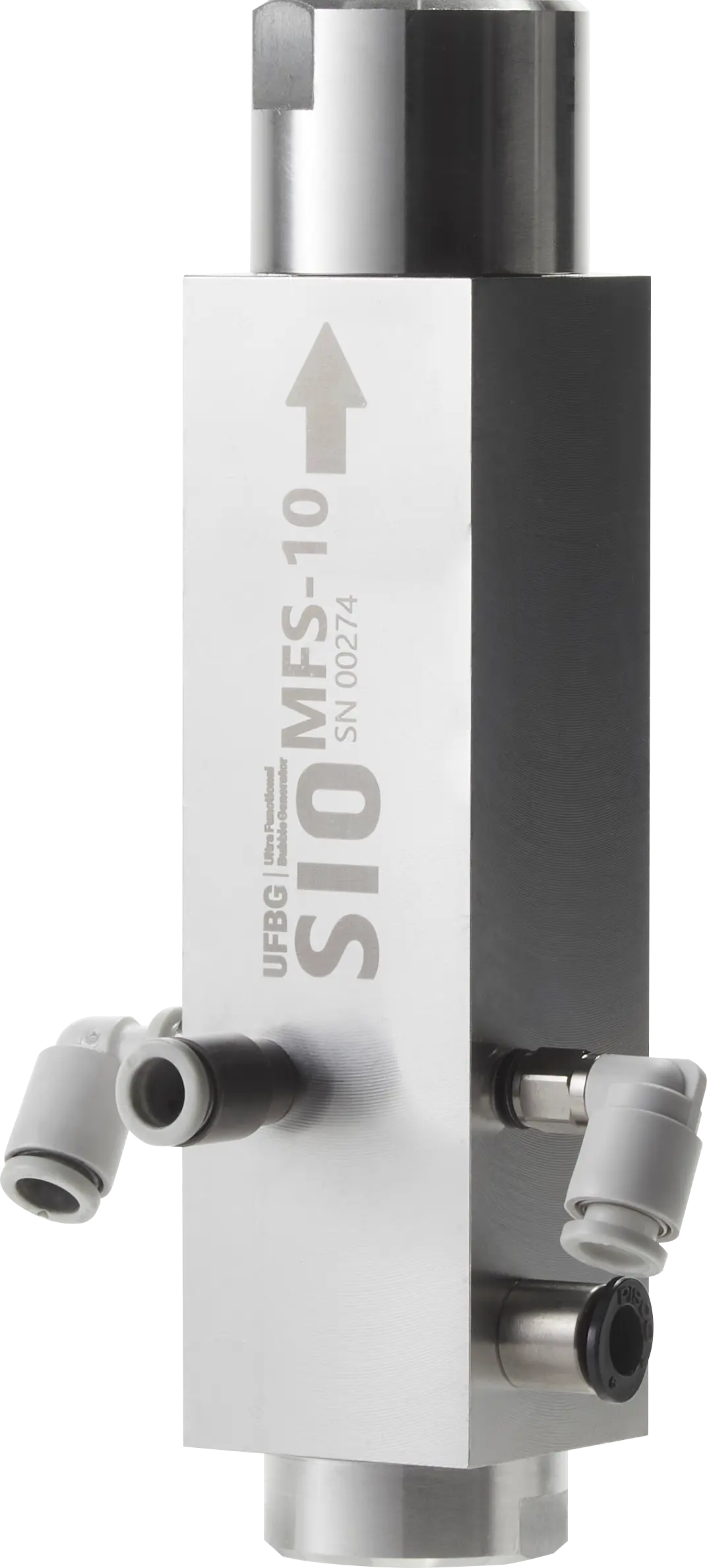
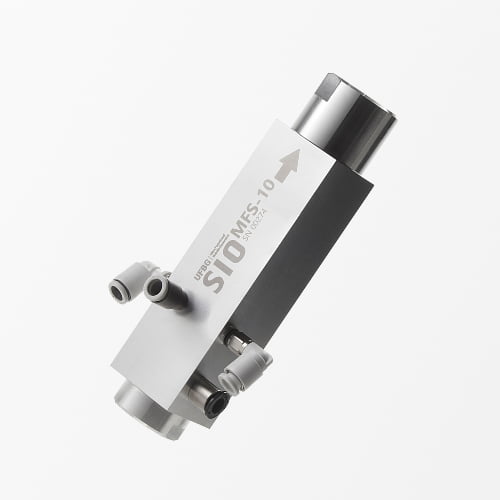
The SIO Fine Bubble Water Generator is equipped with multiple side inlets that significantly enhance its function as a static mixer.
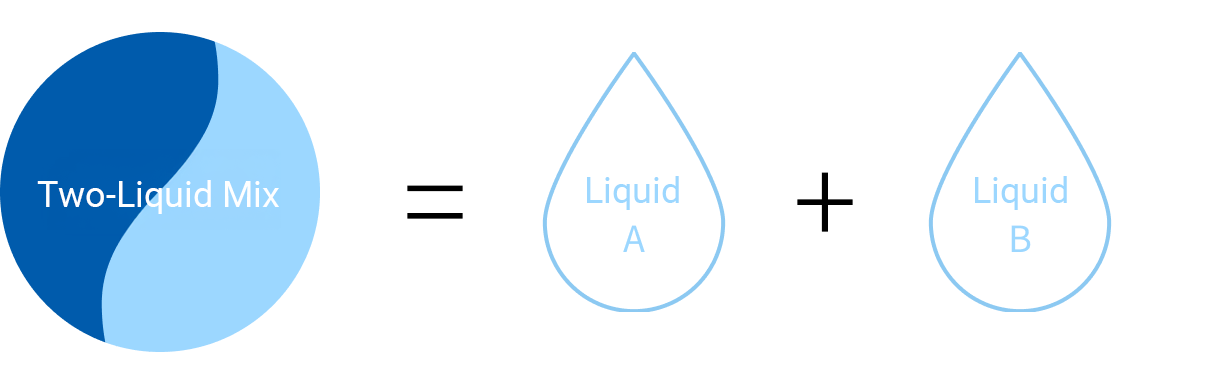
This design enables uniform and fine mixing of various fluids—including liquids, gases, and solids.
It is particularly effective for blending fluids that are ordinarily difficult to mix and prone to separation.
Water, purified water, oils, additives, surfactants, etc.
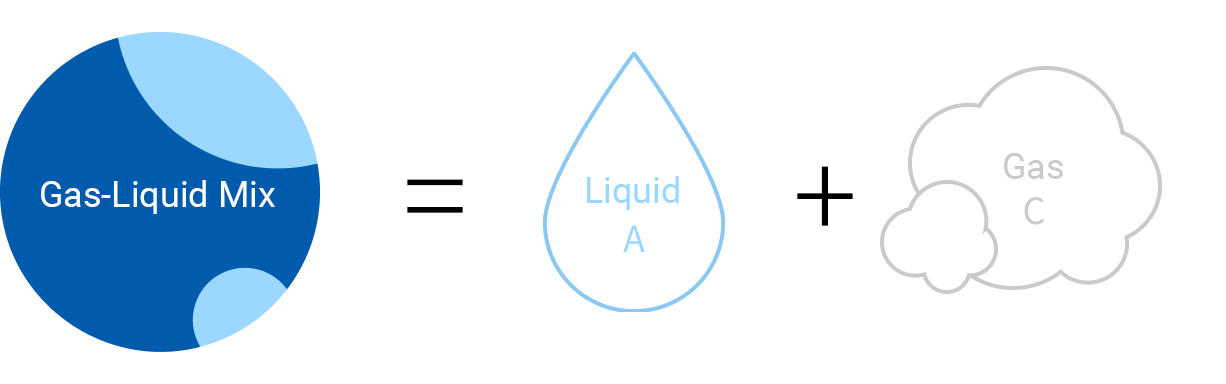
Ozone water, carbonated water (CO₂), high-concentration oxygen water, nitrogen, etc.
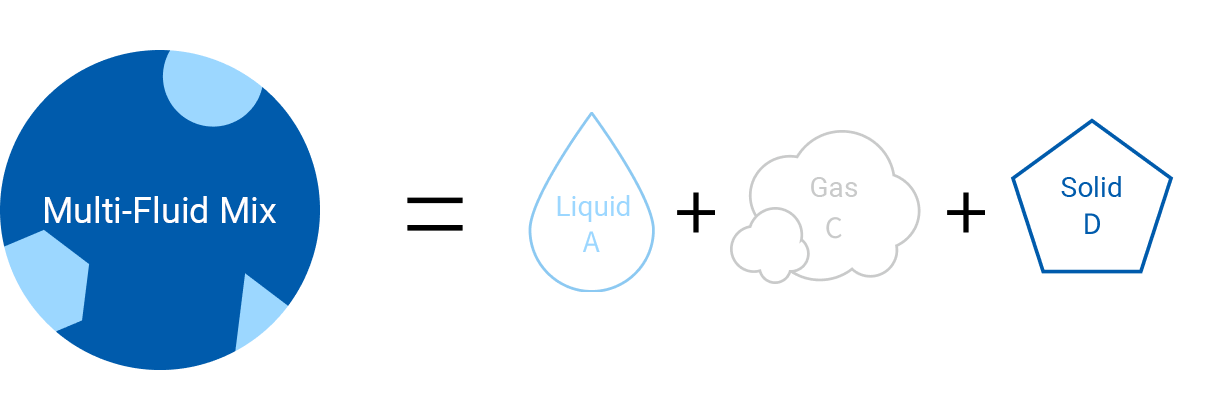
Powders, cement, sludge/slurry systems, etc.
*The inlet can be customized to add more ports.
Water-Additive Mixing Test
Measurement Method: Microscopic Electrophoresis (Zeta Potential Analyzer)
Measurement Conditions: Particle size range 100-300 nm / Room temperature 23.8°C / Humidity 38%
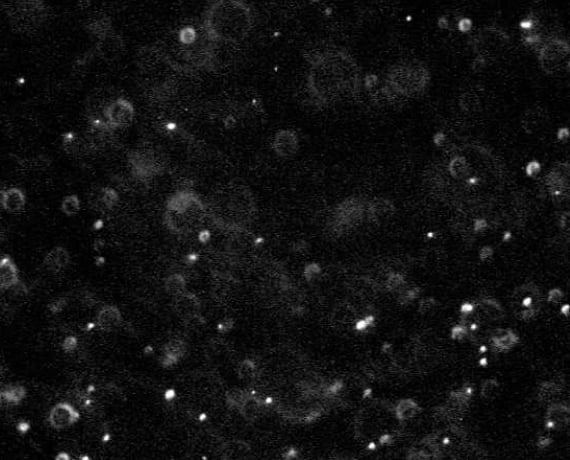
A comparison of the left and right images clearly demonstrates the superior mixing performance of the SIO device.In the sample mixed with a conventional electric mixer (left), the additive (white areas) remains insufficiently blended, resulting in large particle sizes and uneven dispersion.
In contrast, passing the fluid through the SIO yields extremely fine and uniformly dispersed particles, ensuring a highly homogeneous mixture.
The SIO serves not only as a fine bubble generator but also as an effective inline mixer that requires no electrical power, offering reliable mixing performance directly within the piping system.


Water-CO₂ Gas-Liquid Mixing Comparison Test
Test Method: Introduce CO₂ gas into water and compare mixing efficiency
This experiment evaluates how effectively CO₂ gas dissolves into water.Under normal conditions, large gas bubbles do not dissolve efficiently and escape from the water, as seen in the video on the left where large bubbles rise rapidly to the surface.
When the fluid passes through the SIO, the CO₂ gas is dispersed into much finer bubbles, greatly improving dissolution into the water.As a result, gas loss is minimized, reducing overall gas consumption and lowering operational costs.

Experiment Comparing the Dissolution of CO₂ in Water
[Test Method] CO₂ gas was mixed with water to compare the level of gas dissolution.
| conditions | Rated Flow (L/min) |
Pressure (Mpa) |
CO2 Flow (L/min) |
CO2 Pressure (Mpa) |
temperature (°C) |
CO2 concent. (mg/L) |
|---|---|---|---|---|---|---|
| Conventional Mixing |
11.1 | 0.02 | 19 | 0.2 | 21.7 | 740 |
| Stirring with SIO |
8 | 0.2 | 19 | 0.2 | 20.9 | 2020 |

| Product Name | Pressure Resistance | Set Flow Rate (Liquid) |
|---|---|---|
| MFS-3 | 0.2MPa~ | 3L/min~ |
| MFS-5 | 0.2MPa~ | 5L/min~ |
| MFS-10 | 0.2MPa~ | 10L/min~ |
| MFS-20 | 0.2MPa~ | 20L/min~ |
| MFS-30 | 0.2MPa~ | 30L/min~ |
*Specifications are subject to change.
*Specifications as of July 31, 2025.
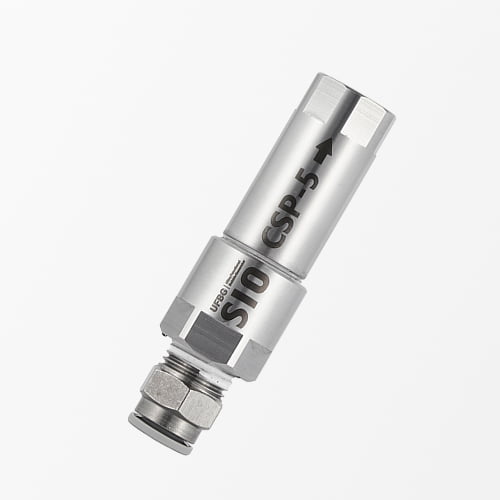
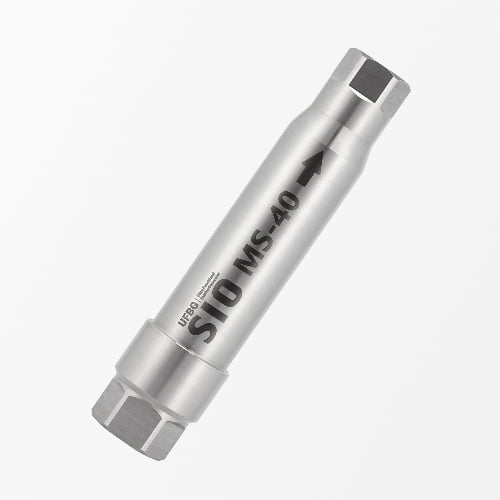
A fine bubble generator specialized in producing ultrafine bubbles. Ideal for machine tool cooling, ultrasonic semiconductor cleaning, and reducing microcracks and chipping.
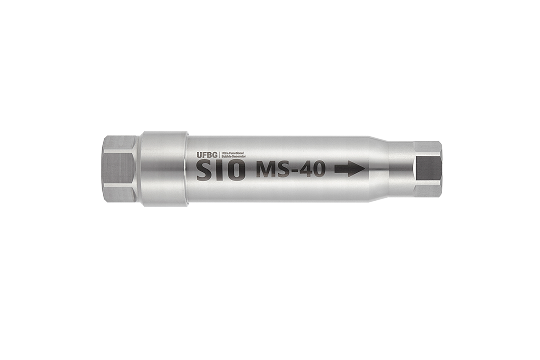
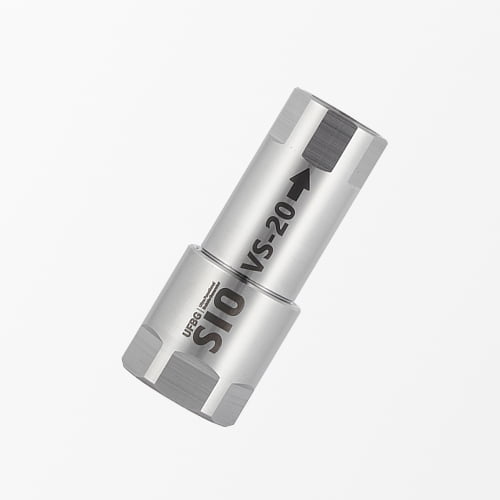
A versatile device capable of generating both ultrafine bubbles and microbubbles. Simply attach it to existing piping to enhance cleaning performance and improve water quality.
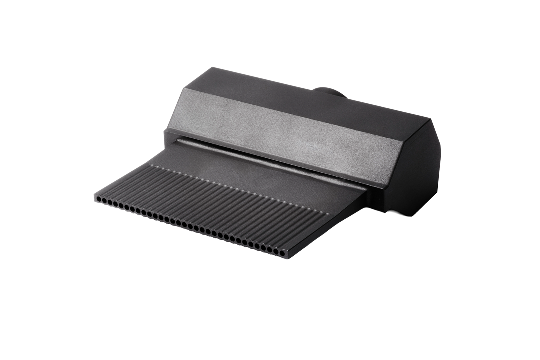
A high-performance mixer designed to blend multiple fluids, leveraging strong agitation and static-mixer functionality. It enables uniform and reliable mixing of gases, liquids, and a wide range of materials.
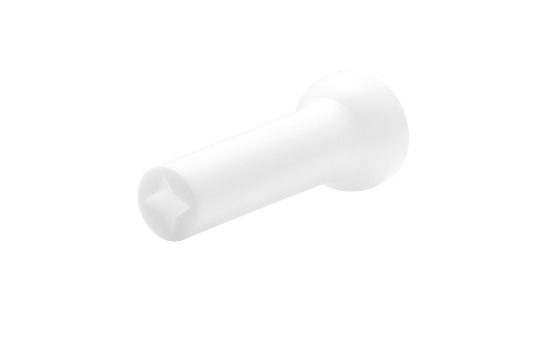
By circulating it inside the tank and filling it with fine bubbles, the cleaning effect is enhanced, bacterial growth is suppressed, and water quality is improved.